

10 Results
First Webinar of Long COVID Treatment Initiative Highlights Early Progress
NIAID and the Foundation for the National Institutes of Health (FNIH) launched its first in a series of online webinars highlighting recent progress in the new Researching COVID to Enhance Recovery - Treating Long COVID (RECOVER-TLC) program.
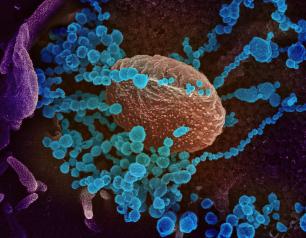
COVID-19 Respiratory Treatment Effective in Encephalitis Study
Antiviral drug molnupiravir, a COVID-19 treatment, was effective when tested in mice in preventing viruses that cause brain swelling, particularly in children. The scientists studied LACV because it broadly represents several RNA viruses that cause disease in the CNS, including Jamestown Canyon and Cache Valley viruses – which also were part of the study – and rabies, polio, West Nile, Nipah and several other viruses not part of the study.
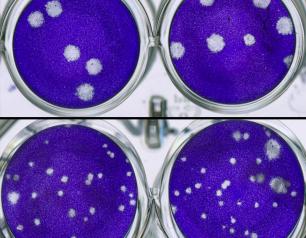
SARS-CoV-2 Rapidly Evolves in People with Advanced HIV
A NIAID study revealed how some variants of SARS-CoV-2—the virus that causes COVID-19—could evolve. The researchers used cutting-edge technology to examine genes from SARS-CoV-2 in people with and without HIV who also had COVID-19, looking at the different copies of the virus in individuals over time. They found that people with advanced HIV—as defined by reduced numbers of immune cells called CD4+ T cells—had dozens of SARS-CoV-2 variants in their bodies, compared to just one major variant in most people without HIV and people with HIV who had higher numbers of CD4+ T cells.
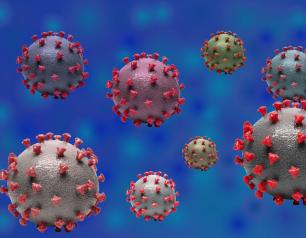
Making an Impact: Results from an NIAID-funded Study of Hospitalized COVID-19 Patients
Why do some people hospitalized with COVID-19 succumb, while others—with apparently similar disease severity at the time of hospitalization—survive? Among older individuals, are there particular immune responses to SARS-CoV-2 virus infection that set the stage for the increased risk of severe COVID-19? New publications from the NIAID-funded IMPACC study help provide answers.
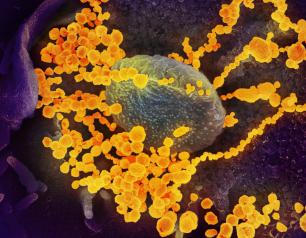
Scientists Identify Interferon-gamma as Potential SARS-CoV-2 Antiviral
Conditioning the lungs with interferon-gamma, a natural immune system protein best known for fighting bacterial infections, appears to be a strong antiviral for SARS-CoV-2, which causes COVID-19
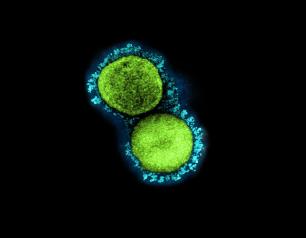
SARS-CoV-2 in Airway Can Trigger Lung Fibrosis; Potential Treatment Identified
NIAID scientists and colleagues have identified a cause of COVID-induced lung fibrosis, a severe and often fatal result of COVID-19 that leaves lungs scarred, clotted and leathery, and patients struggling to breathe.
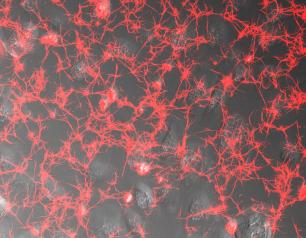
Ohio State Scientists Evaluate Role of Deer in SARS-CoV-2 Transmission
SARS-CoV-2 evolves three times faster in white-tailed deer than in people, making NIAID-funded scientists at The Ohio State University and colleagues ask whether deer are an important reservoir for emerging virus variants.
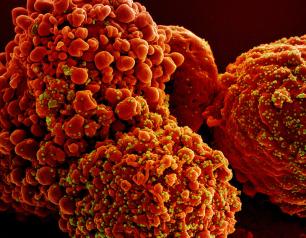
Relation of Parasitic Worm Infection and SARS-CoV-2 Explored
NIAID researchers used mice to investigate a possible relationship between parasitic worm infection and resistance to severe COVID-19.
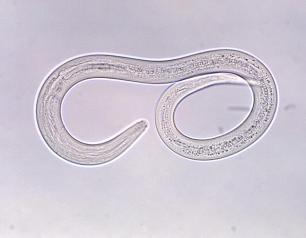
NIAID’s VRC, S. Africa’s Afrigen Kick Off Vaccine-Sharing Efforts
A team of vaccine production experts from South Africa recently finished training with NIAID Vaccine Research Center scientists. Their objective: to globally produce vaccines against a list of troubling infectious diseases.
CROI 2023—Dr. Dieffenbach Shares Research Highlights on Long-Acting HIV Prevention and Treatment, COVID, and a Cure Update
Dr. Dieffenbach, Director of the Division of AIDS, shared updates about some research on long-acting HIV prevention and treatment and COVID treatment and prevention. He also discussed news of another reported case of HIV cure.