

18 Results
Vaccine Protective Against H5N1 Influenza from Cattle
Experimental H5N1 vaccine fully protective in mice against virus circulating in U.S. cattle.
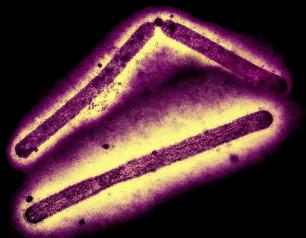
Subclinical Disease in Monkeys Exposed to H5N1 by Mouth and Stomach
Drinking raw milk contaminated with H5N1 virus can cause infection but may be less severe. Regardless, exposure by raw milk should be avoided.
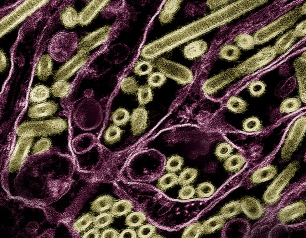
Measuring Innovation: Laboratory Infrastructure to Deliver Essential HIV Clinical Trial Results
HIV clinical trials network laboratory functions will continue to evolve to align with scientific priorities and research approaches.

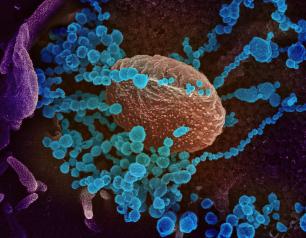
NIAID Research Key to H5N1 Influenza Preparedness Efforts
H5N1 influenza viruses have been around for years, but the spring 2024 outbreak of a highly pathogenic H5N1 avian influenza among U.S. dairy cows prompted new concerns. NIAID scientists and NIAID-funded researchers have been working closely to monitor the outbreak, understand spread among animals and develop potential prevention and treatment methods as part of larger U.S. government pandemic preparedness efforts.
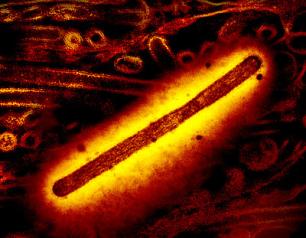
Next-generation Genetic Tools Reveal New Aspects of Enterovirus Evolution
NIAID scientists developed tools to study evolution in enteroviruses—a virus group responsible for polio; hand, foot & mouth disease (HFMD); acute flaccid myelitis (AFM) & other diseases. Their findings may reveal pathways of viral evolution.
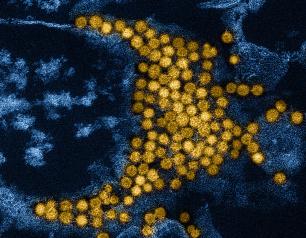
First Webinar of Long COVID Treatment Initiative Highlights Early Progress
NIAID and the Foundation for the National Institutes of Health (FNIH) launched its first in a series of online webinars highlighting recent progress in the new Researching COVID to Enhance Recovery - Treating Long COVID (RECOVER-TLC) program.
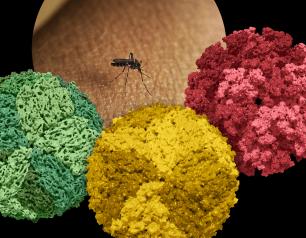
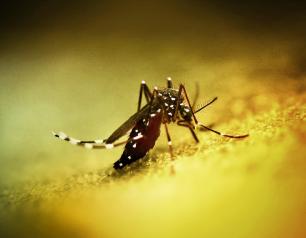
NIAID Raises Awareness to Malaria-like Diseases in W. Africa
NIAID scientists and colleagues have identified dengue, Zika and chikungunya viruses in the West African country of Mali, where health care providers could be misdiagnosing patients as having malaria. All four infectious diseases are caused by a mosquito bite.
The HIV Field Needs Early-Stage Investigators (VIDEO)
by Jeanne Marrazzo, M.D., M.P.H., NIAID Director
The HIV research community is led by scientists with deep personal commitments to improving the lives of people with and affected by HIV. Our collective decades of work have generated HIV testing, prevention and treatment options beyond what we could have imagined in the 1980s. Those advances enable NIAID to explore new frontiers: expanding HIV prevention and treatment modalities, increasing understanding of the interplay between HIV and other infectious and non-communicable diseases, optimizing choice and convenience, and building on the ever-growing knowledge base that we need to develop a preventive vaccine and cure. The next generation of leaders will bring these concepts to fruition, and we need to welcome and support them into the complex and competitive field of HIV science.
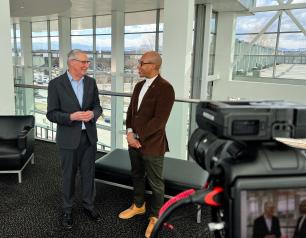
Doxy-PEP, HIV Vaccines and Community-Engaged Research: Discussions with Carl Dieffenbach and LaRon Nelson at CROI 2024 (VIDEO)
During the first full day of presentations at the 2024 Conference on Retroviruses and Opportunistic Infections, HIV.gov spoke with Carl Dieffenbach, Ph.D., director of NIAID’s Division of AIDS, and LaRon Nelson, Ph.D., R.N., F.N.P., F.N.A.P., F.N.Y.A.M., F.A.A., professor and associate dean at the Yale School of Nursing. They discussed Doxy-PEP for STI prevention, HIV vaccines, community engagement in research, and more. Watch their discussions.
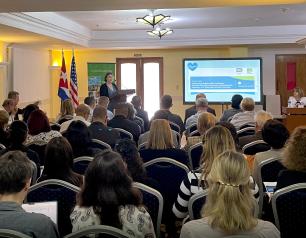
NIAID and Cuban Scientists Gather to Discuss Global Health Challenges
Recent disease outbreaks in the Americas led U.S. and Cuban scientists to hold a meeting Feb. 14-16 on Addressing Global Health Challenges Through Scientific Innovation and Biomedical Research.
The STOMP Trial Evaluates an Antiviral for Mpox
NIAID launched the STOMP trial to determine whether the antiviral drug tecovirimat can safely and effectively treat mpox. In a video, Dr. Cyrus Javan of NIAID's Division of AIDS explains the importance of the STOMP trial.
Ohio State Scientists Evaluate Role of Deer in SARS-CoV-2 Transmission
SARS-CoV-2 evolves three times faster in white-tailed deer than in people, making NIAID-funded scientists at The Ohio State University and colleagues ask whether deer are an important reservoir for emerging virus variants.
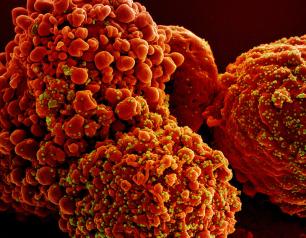
Promising Advances for Antibody Treatment of Viruses that Cause Neurologic and Arthritic Diseases
NIAID scientists and colleagues are one step closer to developing a safe and effective therapy against alphaviruses, which are spread by mosquitoes and can cause two types of disease in people: causing severe neurological impairment such as encephalitis (brain swelling) or crippling muscle pain similar to arthritis.
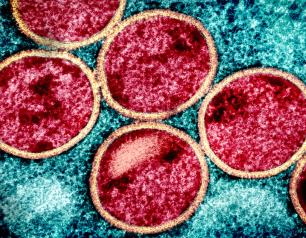
NIAID Study Describes Immune Response to Mpox in Woman Living with HIV
Mpox has been present in west, central and east Africa for decades, with the first human case identified in 1970. In May 2022, a global mpox outbreak caused by a specific strain of the virus (referred to as “clade IIb”) was the first epidemiologic evidence of community mpox transmission outside of the historically affected African regions. More than 80,000 cases and 140 mpox-related deaths have...
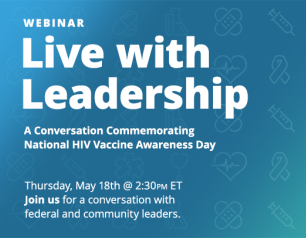
Register Now! Live with Leadership—A Conversation Commemorating National HIV Vaccine Awareness Day
Register now to take part in an important conversation about National HIV Vaccine Awareness Day—an annual observation to recognize the many community members, health professionals, and scientists working together to develop a vaccine to prevent HIV. The HIV.gov-hosted Live with Leadership conversation will take place on Thursday, May 18, from 2:30–3:00pm ET.
CROI 2023—Dr. Dieffenbach Shares Research Highlights on Long-Acting HIV Prevention and Treatment, COVID, and a Cure Update
Dr. Dieffenbach, Director of the Division of AIDS, shared updates about some research on long-acting HIV prevention and treatment and COVID treatment and prevention. He also discussed news of another reported case of HIV cure.
HIV Vaccine Research Update with Dr. Dieffenbach from CROI 2023
The ongoing search for an HIV vaccine was among the topics discussed during the 2023 Conference on Retroviruses and Opportunistic Infections (CROI). HIV.gov spoke with Dr. Carl Dieffenbach, Director of the Division of AIDS at NIH’s National Institute of Allergy and Infectious Disease, about some key takeaways from those presentations. Watch our conversation with Dr. Dieffenbach below:
Mosaico...
Doxy-PEP for STIs and More—Dr. Dieffenbach’s Highlights from Day 1 of CROI 2023
During the first full day of research presentations at the 2023 Conference on Retroviruses and Opportunistic Infections (CROI), HIV.gov spoke with Dr. Carl Dieffenbach, Director of the Division of AIDS at NIH’s National Institute of Allergy and Infectious Diseases (NIAID), about some initial highlights, including the opening session that featured a lecture by Dr. Anthony Fauci and several studies about the use of doxycycline for post-exposure prophylaxis (Doxy-PEP) for sexually transmitted infections (STIs).