
NIAID supports research to understand, diagnose, and treat many of the world’s most intractable and widespread diseases. Explore NIAID research through the diseases and conditions as well as the cross-cutting disciplines and approaches below.
Filter research areas by:
Disciplines & Approaches |
All Diseases & Conditions |
Allergic Diseases |
Immunologic Diseases |
Infectious Diseases
46 Results
Asthma
Asthma is a chronic lung disease characterized by episodes of airway narrowing and obstruction, causing wheezing, coughing, chest tightness and shortness of breath.

Autoimmune Diseases
NIAID-supported research seeks to understand how the immune system contributes to autoimmunity, to develop better diagnostic tools and animal models of autoimmune disease, and to identify effective treatment and prevention strategies. Unlike disease-specific research, this research approach has the potential to improve understanding and lead to treatments for many different autoimmune diseases.
Autoimmune Lymphoproliferative Syndrome (ALPS)
Autoimmune lymphoproliferative syndrome (ALPS) is a rare genetic disorder of the immune system first described by NIH scientists in the mid-1990s that affects both children and adults. In ALPS, unusually high numbers of white blood cells called lymphocytes accumulate in the lymph nodes, liver, and spleen and can lead to enlargement of these organs.
Bacterial Vaginosis
Bacterial vaginosis (BV) results from an imbalance in the vaginal microbiome and can increase women’s biological susceptibility to HIV and other STIs and can cause premature birth or low birthweight if untreated in pregnant women. NIAID-supported clinical studies seek to understand how the condition develops. Researchers are also trying to identify simpler treatment options and generate evidence to support availability of quality-controlled menstrual products.
Candidiasis
Candida are yeast that can be found on the skin and in the intestinal tract, but also on mucosal surfaces such as the vagina. Candidiasis in the vagina is typically referred to as a “yeast infection.” Although there are more than 20 yeast that can cause candidiasis, the most common are Candida albicans, C. glabrata, C. parapsilosis and C. tropicalis.
Chlamydia
Chlamydia is a common sexually transmitted infection that can cause cervicitis in women and urethritis and proctitis in both men and women. NIAID and NIAID-supported researchers are studying how Chlamydia trachomatis bacteria causes disease and developing a vaccine to prevent C. trachomatis infection.

Cholera
Cholera is an acute, diarrheal illness caused by infection of the intestine with the bacterium Vibrio cholerae. An estimated 3-5 million cases and over 100,000 deaths occur each year around the world. The infection is often mild or without symptoms, but can sometimes be severe. Without treatment, death can occur within hours.
Coronaviruses
Coronaviruses are a large family of viruses that usually cause mild to moderate upper-respiratory tract illnesses, like the common cold. However, three coronaviruses have caused more serious and fatal disease in people: SARS coronavirus (SARS-CoV), MERS coronavirus (MERS-CoV), and SARS-CoV-2 (which causes COVID-19).
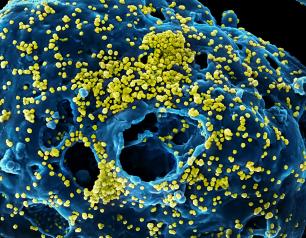
Dengue Fever
Dengue fever is an infectious disease carried by mosquitoes and caused by any of four related dengue viruses. This disease used to be called "break-bone" fever because it sometimes causes severe joint and muscle pain that feels like bones are breaking. Health experts have known about dengue fever for more than 200 years.
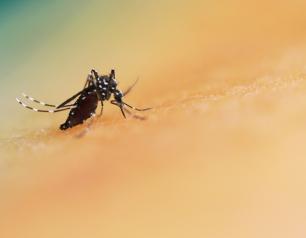
E. coli
Escherichia coli (E. coli) bacteria live in the intestines of people and animals, and are key to a healthy intestinal tract. Most E. coli strains are harmless, but some can cause diarrhea through contact with contaminated food or water while other strains can cause urinary tract infections, respiratory illness and pneumonia.
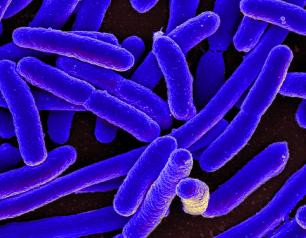
Ebola and Marburg
Ebola is a serious and often fatal illness caused by a virus. Several viruses can cause Ebola disease in humans, including Ebola virus and Sudan virus. Symptoms of Ebola include fever, headache, muscle pain, weakness, fatigue, diarrhea, vomiting, stomach pain, and severe bleeding and bruising.
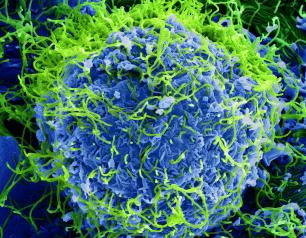
Eczema (Atopic Dermatitis)
Eczema, or atopic dermatitis, is the most common chronic inflammatory skin disease. People with eczema have dry, itchy skin that can weep clear fluid when scratched. The disease also can make people more susceptible to bacterial, viral, and fungal skin infections. Eczema is the strongest risk factor for the development of food allergy. Severe forms of eczema can substantially affect quality of life. The causes of the condition remain unclear.
Food Allergy
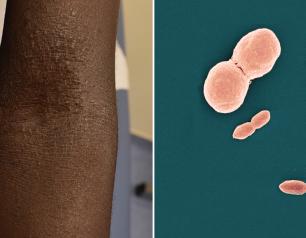
NIAID is the lead institute at the National Institutes of Health conducting research on food allergy, a condition that affects approximately 8 percent of children and nearly 11 percent of adults in the United States. In a person with food allergy, the immune system reacts abnormally to a component of a food, sometimes producing a severe and life-threatening response.

Fungal Diseases
Fungi include a wide range of organisms, such as mushrooms, molds, and yeast, that are common outdoors in water, soil and air; indoors on surfaces; and on our skin and inside our bodies. Mold can worsen breathing problems in people with allergies or asthma, while various types of fungus can infect nails and cause skin rashes.
Gonorrhea
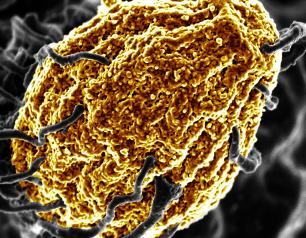
NIAID supports a comprehensive, multidisciplinary program of research on N. gonorrhoeae that includes basic research on pathogens, improved diagnostics, preventive vaccines, and additional alternative treatments.
Group A Streptococcal Infections
Group A streptococcal (GAS) infections can range from a mild skin infection or a sore throat to severe, life-threatening conditions. Most people are familiar with strep throat, which along with minor skin infections, is the most common form of the disease.
Hepatitis
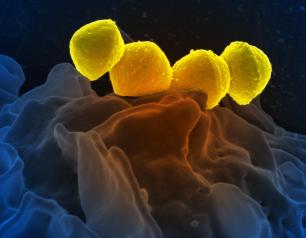
Hepatitis is an inflammation of the liver. Viruses are the most common cause of hepatitis, but the condition can also be caused by other infections, heavy alcohol use, toxins, certain medications, and autoimmune disease. There are five main virus types that cause hepatitis---type A, B, C, D, and E.
Herpes
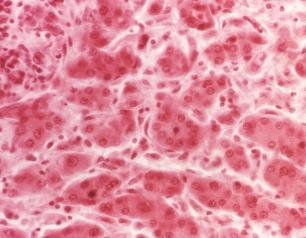
Herpes, caused by herpes simplex virus (HSV), has two subtypes—HSV-1 and HSV-2. HSV can be transmitted through sexual contact. In severe cases HSV may lead to life-threatening or long-term complications, typically in the central nervous system. HSV is a leading cause of viral encephalitis—brain inflammation from a viral infection—and infectious blindness worldwide. Neonatal herpes, if left untreated, is fatal in 60% of cases.
HIV/AIDS
Human immunodeficiency virus, commonly known as HIV, is a virus that targets the immune system and can lead to acquired immunodeficiency syndrome (AIDS) if left untreated. HIV can be transmitted through sexual intercourse, using needles that have been in contact with bodily fluids containing HIV, and during pregnancy, childbirth, or breastfeeding—a concept known as vertical transmission.
Human Papillomavirus
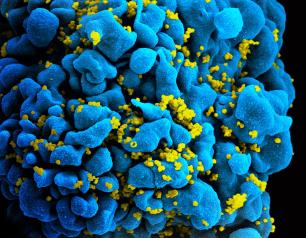
Human papillomavirus (HPV) is the most common sexually transmitted infection in the US. NIAID conducts and supports research to better understand papillomaviruses, develop new diagnostics that can detect HPV infection more accurately and rapidly, find new treatments (i.e., antivirals and novel targets for therapeutic development against HPV associated disease), and examine current HPV prevention strategies and the impact of behavior and age on HPV infection.
Influenza
Each year, influenza causes millions of illnesses worldwide and, in the United States, results in thousands of hospitalizations and deaths. Influenza is especially dangerous for people 65 years and older, young children and people with certain health conditions, such as heart disease or asthma. Research to find new and improved ways to diagnose, treat and prevent seasonal influenza and novel influenza viruses with pandemic potential is essential to protecting the public health.
Leishmaniasis
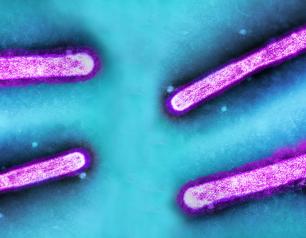
Leishmaniasis is a parasitic disease transmitted by the bites of infected sand flies. It is found in nearly 88 countries, from rain forests in Central and South America to deserts in the Middle East and west Asia. Some cases of the disease have also appeared in Mexico and Texas. The disease takes several different forms, including the most common cutaneous leishmaniasis, which causes skin lesions, and the more severe visceral leishmaniasis (also known as kala azar), which affects internal organs such as the spleen, liver, and bone marrow.
Leprosy (Hansen's Disease)
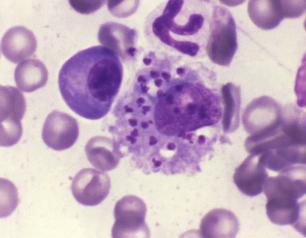
Leprosy (Hansen's Disease) is a chronic infectious disease that primarily affects the peripheral nerves, skin, upper respiratory tract, eyes, and nasal mucosa (lining of the nose). The disease is caused by a bacillus (rod-shaped) bacterium known as Mycobacterium leprae.

Lyme Disease
Lyme disease, or borreliosis, is caused by the bacterium Borrelia burgdorferi and is transmitted to humans through the bite of an infected blacklegged deer tick. It is the most common tickborne infectious disease in the United States.
Malaria
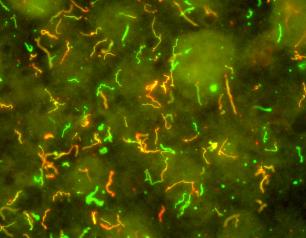
Malaria is a mosquito-borne infectious disease caused by the bite of female Anopheles mosquitoes, which spread infectious Plasmodium parasites into a host. The WHO estimates that in 2020 about 240 million people had malaria and about 627,000 of them died. A vaccine to prevent malaria is available; however, its variable efficacy underscores the need for new interventions.