
42 Results
NIH-Sponsored Trial of Lassa Vaccine Opens
March 17, 2025
An NIAID-sponsored clinical trial of an experimental vaccine to prevent Lassa fever has begun.
Mpox Vaccine Is Safe and Generates a Robust Antibody Response in Adolescents
October 16, 2024
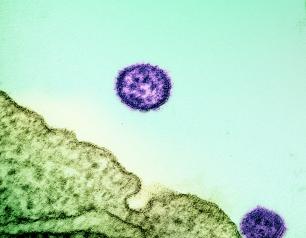
A clinical trial of an mpox vaccine in adolescents found it was safe and generated an antibody response equivalent to that seen in adults. Results were presented at IDWeek2024.
Lower Dose of Mpox Vaccine Is Safe and Generates Six-Week Antibody Response Equivalent to Standard Regimen
April 27, 2024
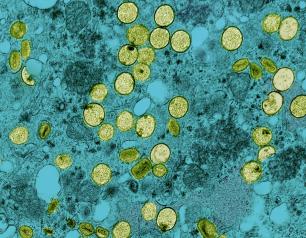
A dose-sparing intradermal mpox vaccination regimen was safe and generated an antibody response equivalent to that induced by the standard regimen at six weeks (two weeks after the second dose), according to findings presented today at the European Society of Clinical Microbiology and Infectious Diseases Global Congress in Barcelona. The results suggest that antibody responses contributed to the effectiveness of dose-sparing mpox vaccine regimens used during the 2022 U.S. outbreak.
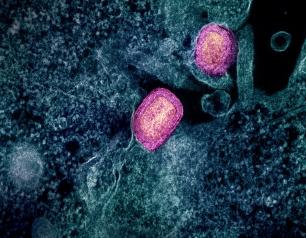
COVID-19 Vaccination and Boosting During Pregnancy Protects Infants for Six Months
February 14, 2024
Women who receive an mRNA-based COVID-19 vaccination or booster during pregnancy can provide their infants with strong protection against symptomatic COVID-19 infection for at least six months after birth. These findings reinforce the importance of receiving both a COVID-19 vaccine and booster during pregnancy to ensure that infants are born with robust protection that lasts until they are old enough to be vaccinated.
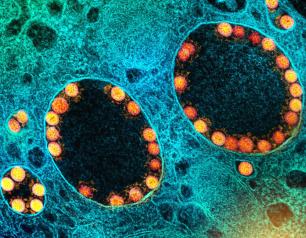
Clinical Trial of HIV Vaccine Begins in United States and South Africa
September 20, 2023
A trial of a preventive HIV vaccine candidate has begun enrollment in the United States and South Africa. The Phase 1 trial will evaluate a novel vaccine known as VIR-1388 for its safety and ability to induce an HIV-specific immune response in people. The National Institute of Allergy and Infectious Diseases (NIAID), part of the National Institutes of Health, has provided scientific and financial support throughout the lifecycle of this HIV vaccine concept and is contributing funding for this study.
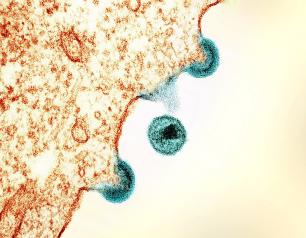
NIH Clinical Trial of Universal Flu Vaccine Candidate Begins
September 15, 2023
Enrollment in a Phase 1 trial of a new investigational universal influenza vaccine candidate has begun at the National Institutes of Health’s Clinical Center in Bethesda, Maryland. The trial is sponsored by the National Institute of Allergy and Infectious Diseases (NIAID), part of the NIH, and will evaluate the investigational vaccine for safety and its ability to elicit an immune response.
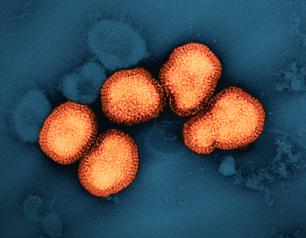
COVID-19 Vaccination and Boosting During Pregnancy Benefits Pregnant People and Newborns
August 11, 2023
Receiving a COVID-19 mRNA vaccine or booster during pregnancy can benefit pregnant people and their newborn infants, according to findings recently published in Vaccine. The paper describes results from the Multisite Observational Maternal and Infant Study for COVID-19 (MOMI-VAX), which was funded by the National Institute of Allergy and Infectious Diseases (NIAID), part of the National Institutes of Health.
NIH Statement on HIV Vaccine Awareness Day 2023
May 18, 2023
Today marks the 26th observance of HIV Vaccine Awareness Day. The National Institutes of Health applauds the efforts of the collaborative global community of scientists, advocates, study participants, study staff, and funders enabling unprecedented levels of innovation and adaptation in the pursuit of a highly effective HIV vaccine.

Clinical Trial of mRNA Universal Influenza Vaccine Candidate Begins
May 15, 2023
A clinical trial of an experimental universal influenza vaccine developed by researchers at the National Institute of Allergy and Infectious Diseases’ (NIAID) Vaccine Research Center (VRC), part of the National Institutes of Health, has begun enrolling volunteers at Duke University in Durham, North Carolina. This Phase 1 trial will test the experimental vaccine, known as H1ssF-3928 mRNA-LNP, for safety and its ability to induce an immune response.
NIH Celebrates FDA Approval of RSV Vaccine for People 60 Years of Age and Older
May 4, 2023
Food and Drug Administration announced the approval of the first respiratory syncytial virus (RSV) vaccine approved for use in the United States. The vaccine, Arexvy, is approved for the prevention of lower respiratory tract disease caused by RSV in individuals 60 years of age and older.
The Potential and Challenges of Mucosal COVID-19 Vaccines
April 13, 2023
In November 2022, the National Institute of Allergy and Infectious Diseases (NIAID) co-hosted a virtual workshop on the importance and challenges of developing mucosal vaccines for SARS-COV-2. The highlights of this workshop have now been published as a report in npj Vaccines.
SARS-CoV-2 Infection Weakens Immune-Cell Response to Vaccination
March 20, 2023
The magnitude and quality of a key immune cell’s response to vaccination with two doses of the Pfizer-BioNTech COVID-19 vaccine were considerably lower in people with prior SARS-CoV-2 infection compared to people without prior infection, a study has found. In addition, the level of this key immune cell that targets the SARS-CoV-2 spike protein was substantially lower in unvaccinated people with COVID-19 than in vaccinated people who had never been infected. Importantly, people who recover from SARS-CoV-2 infection and then get vaccinated are more protected than people who are unvaccinated.

Temperature-Stable TB Vaccine Safe, Prompts Immune Response in NIH-Supported Study
March 6, 2023
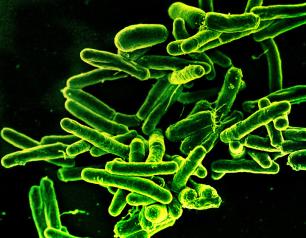
A clinical trial testing a freeze-dried, temperature-stable experimental tuberculosis (TB) vaccine in healthy adults found that it was safe and stimulated both antibodies and responses from the cellular arm of the immune system. The Phase 1 trial was supported by the National Institute of Allergy and Infectious Diseases (NIAID), part of the National Institutes of Health. A non-temperature stable form of the candidate previously had been tested in several clinical trials.
Developing Mucosal Vaccines for Respiratory Viruses
January 11, 2023
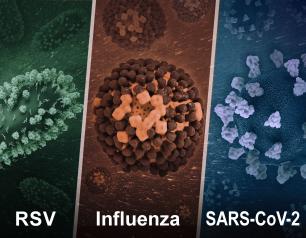
Vaccines that provide long-lasting protection against influenza, coronaviruses and respiratory syncytial virus (RSV) have proved exceptionally difficult to develop. In a new review article in Cell Host & Microbe, researchers from the National Institute of Allergy and Infectious Diseases (NIAID), part of the NIH, explore the challenges and outline approaches to improved vaccines. Anthony S. Fauci, M.D., former NIAID director, is an author along with Jeffery K. Taubenberger, M.D., Ph.D., and David M. Morens, M.D.
Ebola Vaccine Regimens Safe, Immunogenic in Adults and Children
December 14, 2022
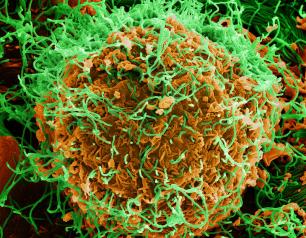
Two randomized, placebo-controlled trials evaluating three Ebola vaccine administration strategies in adults and children found that all the regimens were safe in both age groups, according to results published today in the New England Journal of Medicine. Antibodies were produced in response to the vaccine regimens beginning at 14 days after the first vaccination and continued to be detectable at varying levels—depending on the vaccine and regimen used—in both children and adults for one year.
Experimental Cancer Vaccine Shows Promise in Animal Studies
November 10, 2022
An experimental therapeutic cancer vaccine induced two distinct and desirable immune system responses that led to significant tumor regression in mice, report investigators from the National Institute of Allergy and Infectious Diseases (NIAID), part of the National Institutes of Health.

Statement from NIH and BARDA on the Novavax COVID-19 Vaccine
July 20, 2022
The Centers for Disease Control and Prevention (CDC) has recommended that Novavax’s COVID-19 vaccine be used as another primary series option for adults in the United States ages 18 years and older. The Food and Drug Administration (FDA) previously authorized for emergency use the protein-based vaccine, known as NVX-CoV2373.
Vaccine-Induced Immune Response to Omicron Wanes Substantially Over Time
July 19, 2022
Although COVID-19 booster vaccinations in adults elicit high levels of neutralizing antibodies against the Omicron variant of SARS-CoV-2, antibody levels decrease substantially within 3 months, according to new clinical trial data. The findings, published today in Cell Reports Medicine, are from a study sponsored by the National Institute of Allergy and Infectious Diseases (NIAID), part of the National Institutes of Health. The trial was led by NIAID’s Infectious Diseases Clinical Research Consortium.
NIH Launches Clinical Trial of mRNA Nipah Virus Vaccine
July 11, 2022
The National Institute of Allergy and Infectious Diseases (NIAID), part of the National Institutes of Health, has launched an early-stage clinical trial evaluating an investigational vaccine to prevent infection with Nipah virus. The experimental vaccine is manufactured by Moderna, Inc., (Cambridge, Massachusetts) and was developed in collaboration with NIAID’s Vaccine Research Center. It is based on a messenger RNA (mRNA) platform—a technology used in several approved COVID-19 vaccines.
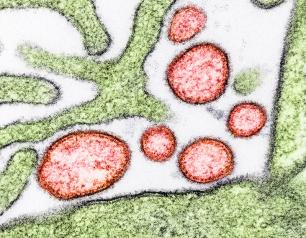
Trial of Potential Universal Flu Vaccine Opens at NIH Clinical Center
June 28, 2022
A Phase 1 clinical trial of a novel influenza vaccine has begun inoculating healthy adult volunteers at the National Institutes of Health Clinical Center in Bethesda, Maryland. The placebo-controlled trial will test the safety of a candidate vaccine, BPL-1357, and its ability to prompt immune responses. The vaccine candidate was developed by researchers at the National Institute of Allergy and Infectious Diseases (NIAID). The single-site trial can enroll up to 100 people aged 18 to 55 years and is led by NIAID investigator Matthew J. Memoli, M.D.
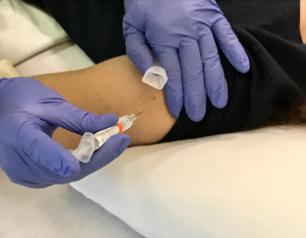
NIH Launches Clinical Trial of Epstein-Barr Virus Vaccine
May 6, 2022
The National Institute of Allergy and Infectious Diseases (NIAID), part of the National Institutes of Health, has launched an early-stage clinical trial to evaluate an investigational preventative vaccine for Epstein-Barr virus (EBV). EBV is the primary cause of infectious mononucleosis and is associated with certain cancers and autoimmune diseases. The Phase 1 study, which will be conducted at the NIH Clinical Center in Bethesda, Maryland, is one of only two studies to test an investigational EBV vaccine in more than a decade.
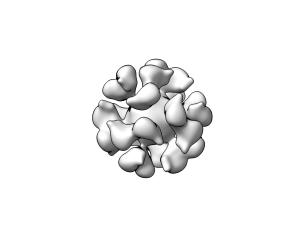
NIH Begins Clinical Trial Evaluating Second COVID-19 Booster Shots in Adults
March 31, 2022
A Phase 2 clinical trial evaluating various additional COVID-19 booster shots has begun enrolling adult participants in the United States. The trial aims to understand if different vaccine regimens—prototype and variant vaccines alone and in combinations—can broaden immune responses in adults who already have received a primary vaccination series and a first booster shot. The study, known as the COVID-19 Variant Immunologic Landscape (COVAIL) trial, is sponsored by the National Institute of Allergy and Infectious Diseases (NIAID), part of the National Institutes of Health.
NIH Launches Clinical Trial of Three mRNA HIV Vaccines
March 14, 2022
The National Institute of Allergy and Infectious Diseases (NIAID), part of the National Institutes of Health, has launched a Phase 1 clinical trial evaluating three experimental HIV vaccines based on a messenger RNA (mRNA) platform—a technology used in several approved COVID-19 vaccines. NIAID is sponsoring the study, called HVTN 302, and the NIAID-funded HIV Vaccine Trials Network (HVTN), based at Fred Hutchinson Cancer Research Center in Seattle, is conducting the trial.
NIH Launches Trial to Study Allergic Reactions to COVID-19 mRNA Vaccine
March 9, 2022
Researchers from the National Institute of Allergy and Infectious Diseases (NIAID) are conducting a clinical trial designed to help understand rare but potentially serious systemic allergic reactions to COVID-19 mRNA vaccines. The single-site trial will enroll up to 100 people aged 16 to 69 years old who had an allergic reaction to a first dose of COVID-19 mRNA vaccines. Study participants will receive a second dose of vaccine as inpatients under carefully controlled conditions at the NIH Clinical Center in Bethesda, Maryland.
Trial Tests Strategy to Augment Response to COVID-19 Vaccines in Transplant Recipients
January 31, 2022
A study has begun to assess the antibody response to an additional dose of a COVID-19 mRNA vaccine in kidney and liver transplant recipients, either alone or with a concurrent reduction in immunosuppressive medication. The clinical trial will enroll people for whom two to four doses of a COVID-19 mRNA vaccine did not elicit a detectable antibody response.