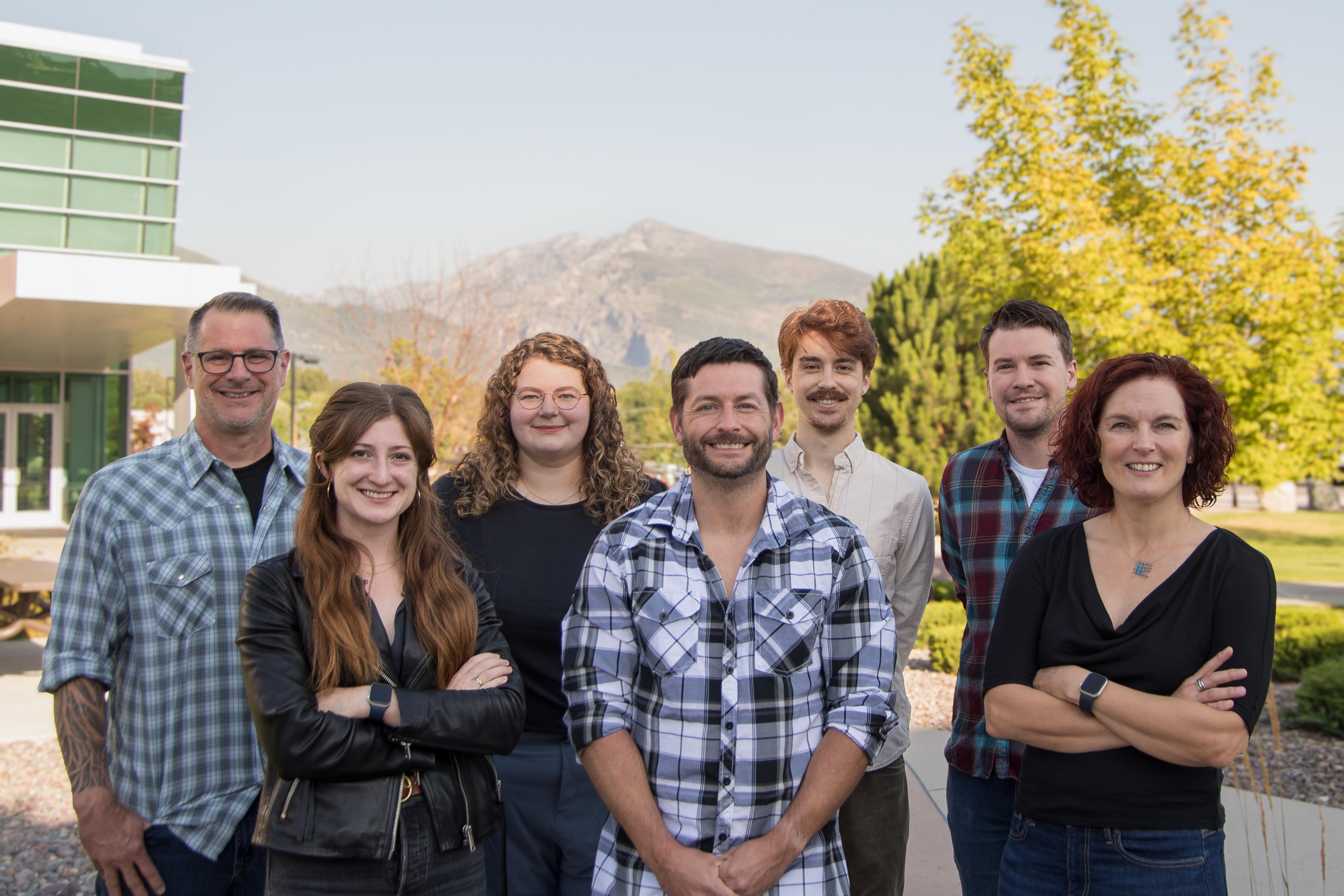

Marzi Research Group

Highly pathogenic viruses, including filoviruses, continue to pose a significant threat to humans with their potential to cause global public health crises. We are investigating host-filovirus interactions to decipher mechanisms of pathogenesis. Additionally, we develop medical countermeasures based on vesicular stomatitis virus for emerging viral infections and conduct preclinical efficacy studies in various disease models.

Andrea Marzi, Ph.D.

Chief, Immunobiology and Molecular Virology Section

Education:

Dr. rer. Nat. (Ph.D.), Friedrich-Alexander University Erlangen-Nürnberg, Germany

Diplom (M.Sc.), Freidrich-Alexander University Erlangen-Nürnberg, Germany

Vordiplom (B.Sc.), Friedrich-Alexander University Erlangen-Nürnberg, Germany
 

Languages Spoken: German
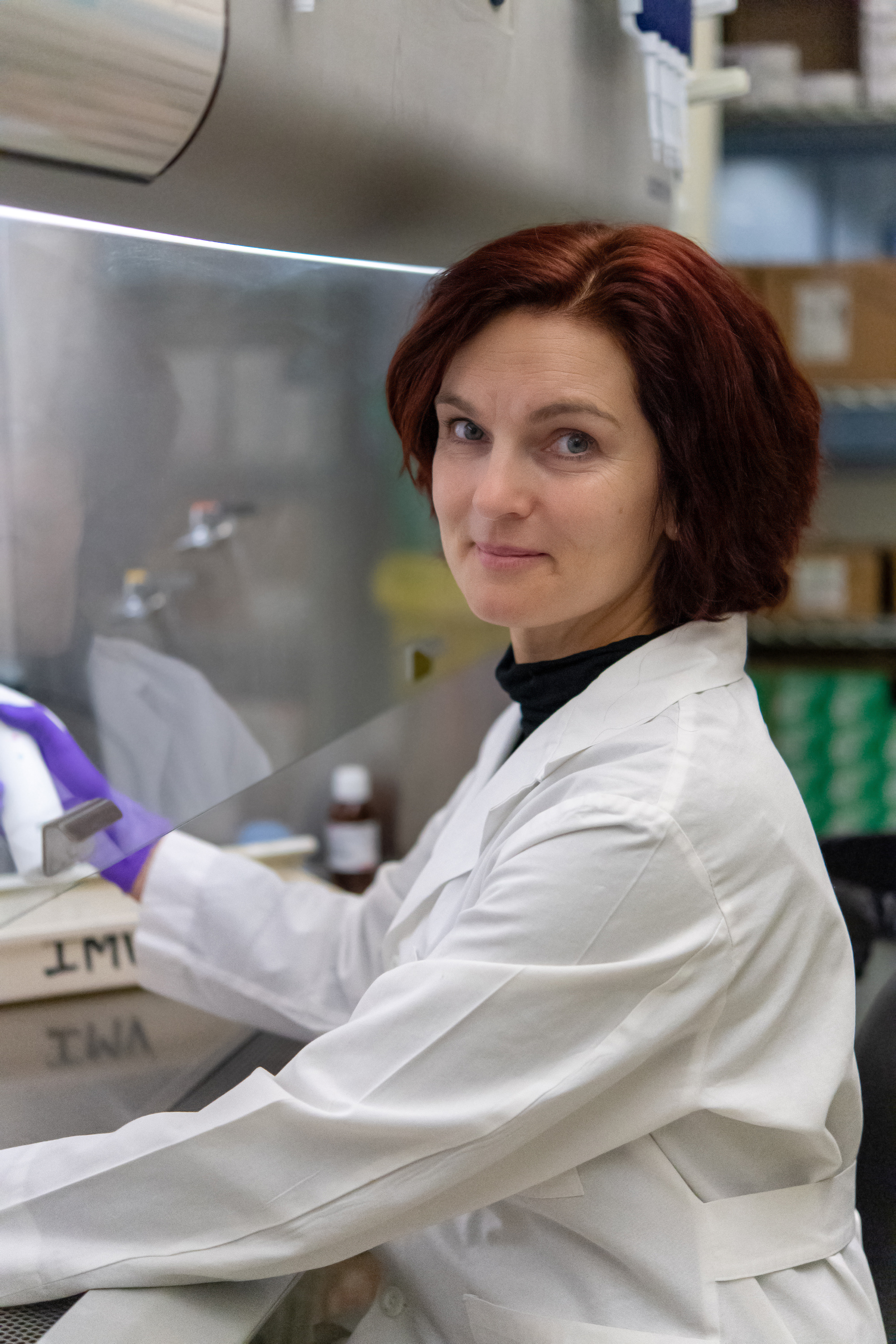
Andrea is the Chief of the Immunobiology and Molecular Virology Section. She is a virologist by training, and her research focuses on the pathogenesis of filoviruses in animal models as well as the development and preclinical efficacy testing of countermeasures against emerging viruses. Ultimately, she hopes to advance vaccines and therapeutics against emerging viruses from the “bench to bedside.”

Learn more about Andrea Marzi, Ph.D.

Photo of Andrea Marzi, Ph.D.

B. Ryder Gathright, B.Sc.

Postbaccalaureate IRTA Fellow – INRO Program

Education:

B.Sc., Seattle University

Ryder is interested in emerging infectious diseases, such as filoviruses, and the molecular interactions between host and virus. In the lab, he is researching a heterologous prime-boost Ebola virus vaccination strategy and subsequent immunogenicity in a mouse model.

Learn more about B. Ryder Gathright, B.Sc.

Image of B. Ryder Gathright, B.Sc

Jil A. Haase (née Schrader), Ph.D.

Postdoctoral Visiting Fellow

Education:

Dr. rer. Nat. (Ph.D.), Ruhr University Bochum, Germany

B.Sc. and M.Sc., Ruhr University Bochum, Germany

Languages Spoken: German, Latin
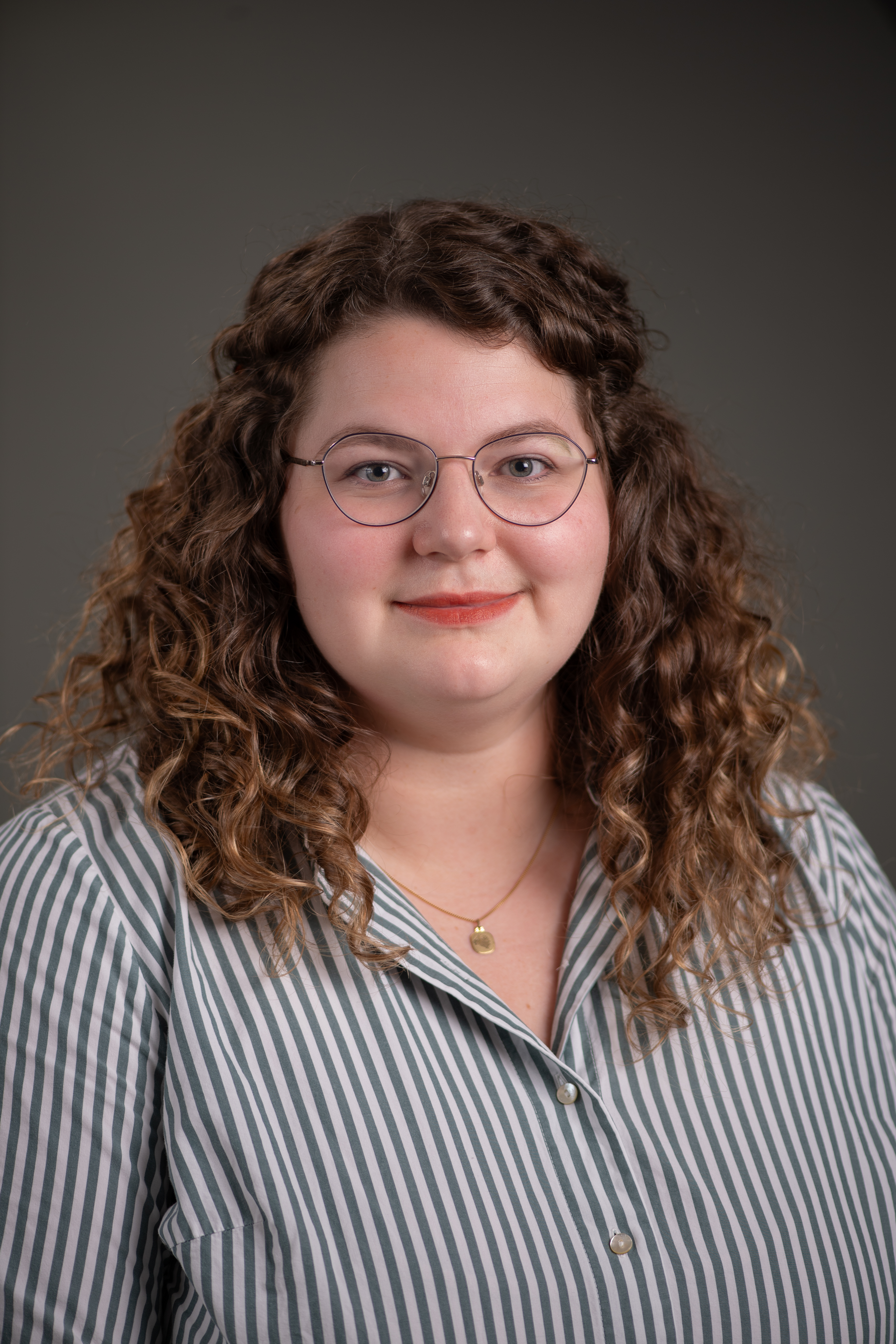
Jil investigates underlying molecular factors that determine filovirus virulence and host-pathogen interaction. Her projects intend to unravel the underlying patterns leading to the pathogenesis observed in the infection macroenvironment, revealing novel factors for therapeutic intervention.

Learn more about Jil A. Haase (née Schrader), Ph.D.

image of Jil A. Haase (née Schrader), B.Sc.

Emily Hansen, B.Sc.

Postbaccalaureate IRTA Fellow

Education:

B.Sc., Cornell University

Emily is interested in applying the One Health approach as a public health strategy to sustainably control and combat emerging and evolving infectious diseases. In the laboratory, she investigates reporter systems for filoviruses to enable mechanistic analyses outside of high containment conditions.

Learn more about Emily Hansen, B.Sc.

Headshot of Emily Hansen, B.Sc.

Corey W. Henderson, B.Sc.

Biologist

Education:

B.Sc., University of Maine at Fort Kent

Corey has extensive experience working with laboratory animals. He supports all projects in the lab, including bench work and animal procedures.

Learn more about Corey W. Henderson, B.Sc.

Photo of Corey Henderson

J. Fred Rhoderick, B.Sc.

Biologist

Education:

B.Sc., University of Tampa

Fred has decades of experience in the fields of molecular virology and cell biology. He assists with all projects conducted in the lab.

Learn more about J. Fred Rhoderick, B.Sc.

image of J. Fred Rhoderick, B.Sc.

Ariel Shepley-McTaggart, V.M.D., Ph.D.

Postdoctoral IRTA Fellow

Education:

V.M.D., University of Pennsylvania, PA
Ph.D., University of Pennsylvania, PA
B.A., Columbia University, NY

Ariel investigates the pathogenic potential of emerging viruses using cell culture and animal models. Her project focuses on characterizing viral disease pathology and progression after infection by filoviruses with current unknown risk to human health.

Learn more about Ariel Shepley-McTaggart, V.M.D., Ph.D.

Headshot Ariel Shepley-McTaggart, V.M.D., Ph.D.

Elizabeth R. Wrobel, Ph.D.

Postdoctoral IRTA Fellow

Education:

Ph.D., University of Georgia
M.S., University of Georgia
B.S., Millikin University

Elizabeth’s research interests include the development and preclinical testing of vaccines against emerging viruses. She uses a wide breadth of techniques, such as flow cytometry, to fully characterize vaccine-induced cellular and humoral immune responses. Her main project focuses on the impact of co-infections, such as HIV, on the immunogenicity and protective efficacy of filovirus vaccines.

Learn more about Elizabeth R. Wrobel, Ph.D.

Headshot of Elizabeth R. Wrobel, Ph.D.

Former Research Group Members

Kyle L. O’Donnell, Ph.D. (postdoc and Research Fellow 2019 - 2025), Research Scientist, University of Minnesota, Minneapolis, MN

Olivia Durant, B.Sc. (postbac 2023 - 2025), Medical Student, Uniformed Services University, Bethesda, MD

Hanna Anhalt, B.Sc. (postbac 2022 – 2024), Medical Student, University of South Carolina

Paige L. Fletcher, Ph.D. (postdoc 2020-2024), Associate Study Director, NIAID Integrated Research Facility, Frederick, Maryland

Wakako Furuyama, D.V.M., Ph.D. (postdoc 2017-2021), Assistant Professor, Nagasaki University, Japan

Tylisha Gourdine, B.Sc. (postbac 2020-2022), Contractor, Vaccine Research Center, NIAID

Amanda Griffin, Ph.D. (biologist 2019-2021), Microbiologist, LV-OOC, NIAID

Benjamin Kaza, B.A. (postbac 2021), Graduate Student, Cornell University

Brody Mann, B.Sc. (postbac 2022-2023), Medical Student, Tufts University School of Medicine

Cecilia Prator, Ph.D. (postdoc 2021-2023), Senior Scientist, Gingko Bioworks, Boston, Massachusetts

Kyle Shifflett, B.Sc. (postbac 2019-2021), Graduate Student, University of North Carolina-Chapel Hill

Content last reviewed on