


Data science is empowering new discoveries from biomedical scientists across NIAID and the National Institutes of Health. The Data Science Dispatch highlights the impact of data science, data sharing, bioinformatics, artificial intelligence/machine learning, and more in infectious and immune-mediated disease research.
Compiled by the Office of Data Science and Emerging Technologies, the Data Science Dispatch features stories about the data science work being conducted by a wide range of NIAID-funded scientists, research centers, and offices — with the aim of raising awareness of innovative methods and promoting connectivity between researchers across NIAID and NIH.
If you have a story to highlight in the Data Science Dispatch, please contact datascience@niaid.nih.gov.
Practicing Data Stewardship During Research
Data stewardship refers to the responsible management and oversight of scientific data throughout its lifecycle, from creation and collection to storage, sharing, and preservation. It involves ensuring that data is accurate, accessible, and reusable, while also protecting its integrity and confidentiality. Good data stewardship is a collaborative effort throughout a NIH-funded project.
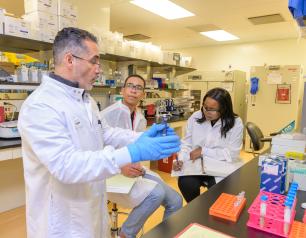
Using the NIAID Data Ecosystem Discovery Portal to Search Across Data Repositories
NIAID has developed a platform to help researchers find data related to allergic, infectious, and immune-mediated diseases across multiple data repositories. The NIAID Data Ecosystem Discovery Portal is a centralized hub cataloging millions of datasets from over 50 sources.

Understanding Metadata: A Key to Data Sharing and Reuse
Metadata plays a crucial role in sharing and reusing scientific data. Understanding what metadata is and how it is used can accelerate your research, increase the visibility of your work, and advance the field of infectious and immune-mediated disease (IID) research.
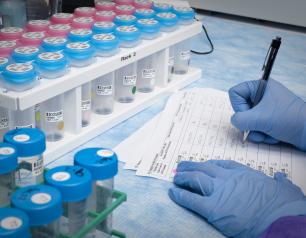
Facilitating Data Harmonization Across an International HIV Program
The International Epidemiology Databases to Evaluate AIDS (IeDEA) collects observational data representing over 2.2 million people living with and at risk for HIV. This international research consortium collects data from 44 countries across five continents. To make it easier to harmonize data from multiple regions, NIAID-supported informatics specialists developed the Harmonist Data Toolkit.
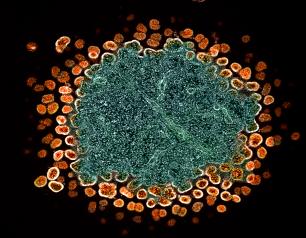
NIAID Awards Small Business Contracts To Enhance the Utility of Infectious and Immunological Data
NIAID has awarded contracts to seven small businesses to develop new software or web services that make infectious- and immune-mediated disease (IID) data easier to find and reuse. Software developed by these projects may lay the groundwork for applications such as artificial intelligence (AI).
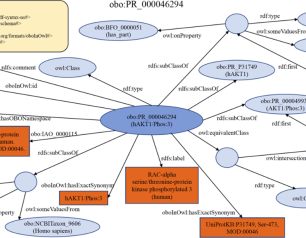
NIAID Program Outlines Best Practices for Reporting H5N1 Influenza Sequence Data
Gathering and sharing data has been a key part of the response to the highly pathogenic avian influenza (HPAI) outbreak. HPAI is caused by the H5N1 virus. In May, NIAID released an H5N1 Influenza research agenda outlining a strategy to understand H5N1 biology and objectives to advance detection, treatment, and prevention.

NIAID Funds Development of New Software for IID Data Access and Reuse
NIAID has awarded grants to three research teams for the development of software that advances infectious and immune-mediated disease (IID) research. The three funded projects will develop software that improves the acquisition, management, analysis, visualization, and dissemination of IID data.

Funding Dispatch: Understanding the Latest Systems Modeling Notice, NOT-AI-24-060
NIAID is funding new research related to computational modeling systems of infection and immunity. Computational modeling holds tremendous potential for infectious and immune-mediated disease (IID) research. The Notice of Special Interest (NOSI), NOT-AI-24-060, is titled “Systems Modeling of Infection and Immunity Across Biological Scales” and was released on July 23.

ImmPort Repository, Home to Data From More Than 1,000 Immunological Studies, Celebrates 20th Anniversary
This year, the immunology data repository ImmPort reaches a key milestone: 20 years since the first study was added to its repository in 2004. ImmPort is funded by NIAID’s Division of Allergy, Immunology, and Transplantation (DAIT) in support of the NIH mission to share scientific data with the public.

Impactful T-Cell Research Demonstrates Importance of Sharing Scientific Data
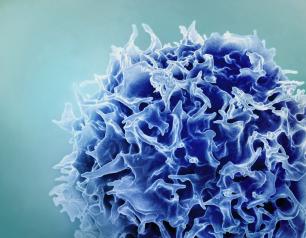
A team of researchers is making news for their groundbreaking research on T-cell therapies. The research team inserted a gene mutation into therapeutic T cells which makes them more efficient at treating solid tumors. The research team’s raw sequence reads are available in the National Center for Biotechnology Information Sequence Read Archive.
Data Landscaping Project Aims to Make NIAID Data More Accessible, Promote Reuse
A new project sponsored by the NIAID Office of Data Science and Emerging Technologies (ODSET) is aiming to make NIAID data easier to find and reuse. The project examines NIAID’s data repositories and makes recommendations on how to make the data within more FAIR — Findable, Accessible, Interoperable, and Reusable.
More Data Science News from NIAID and NIH

Improve Your Data Science Skills
NCI Data Science | April 21, 2025
Find online articles and videos about data generation, cleaning, analysis, modeling, visualization, sharing, and more in the NCI Data Science training library.

Request for Information on 2025 National Artificial Intelligence Research and Development Strategic Plan
National Science Foundation | April 29, 2025
This Request welcomes stakeholder input on how the current National AI R&D Strategic Plan may be updated to best support AI development in the next 3-5 years.

Transforming Transparency Through Policy
NIH Office of Science Policy | April 30, 2025
NIH’s new Public Access Policy is the newest step in ensuring access to NIH-funded scientific research. The Policy, effective July 1, 2025, will support transparency in science.
NIAID Now: Explore news from across NIAID
NIAID-Funded Research News: Find articles from NIAID-supported research institutions
ODSS News & Events: Read more data science news from the NIH Office of Data Science Strategy
Data Sharing News & Events: Find news articles from the NIH Scientific Data Sharing office
NIH News & Events: View all NIH news