

The Ivanovic lab investigates the molecular mechanisms of viral cell entry and progeny particle assembly. We combine molecular virology, in vitro reconstitution, biophysics, and quantitative cell biology to answer difficult-to-tackle mechanistic questions in virology and build upon those discoveries to ultimately enable prediction and prevention of undesirable viral adaptation. Our work spans diverse viral pathogens and/or their model systems, such as influenza virus, Ebola virus, coronavirus, reovirus, respiratory syncytial virus, and measles virus.
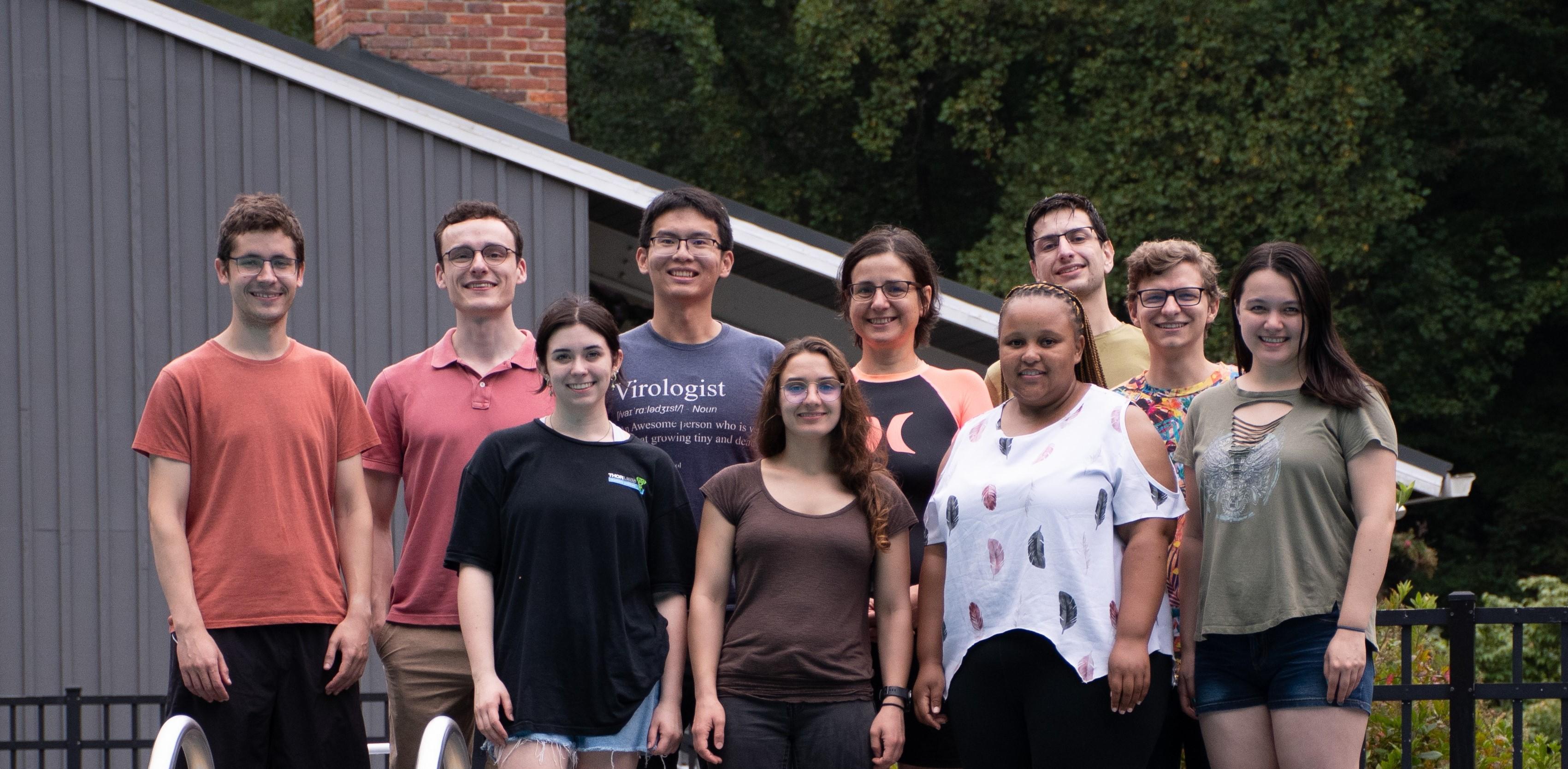
Single Virion Biology and Biophysics Unit, 2024. Back Row (left to right): Antonio Santos del Peral, Postdoctoral Fellow; Steven Planitzer, Predoctoral IRTA Fellow; Tongyu (Tony) Liu, Postdoctoral Fellow; Tijana Ivanovic, Senior Investigator; Nick Berg, Predoctoral IRTA Fellow; Ed Partlow, Postdoctoral Fellow. Front Row (left to right): Ava Altenberg, Postbaccalaureate IRTA Fellow; Callie Donahue, Postdoctoral Fellow; Balindile Motsa, Postdoctoral Fellow; Anna Jaeggi-Wong, Postbaccalaureate IRTA Fellow
Tijana Ivanovic, Ph.D.
Tenure-Track Investigator, NIH Distinguished Scholar
Chief, Single Virion Biology and Biophysics Unit
Education:
Postdoctoral Fellowship, 2015, Harvard University
Ph.D., Virology, 2008, Harvard University
B.S., Microbiology and Molecular Genetics, 1999, University of California, Los Angeles

Ava Lorraine Altenbern, B.A.
Postbaccalaureate IRTA Fellow
Education:
B.A., Biochemistry and Art History, 2023, University of Colorado, Boulder, CO
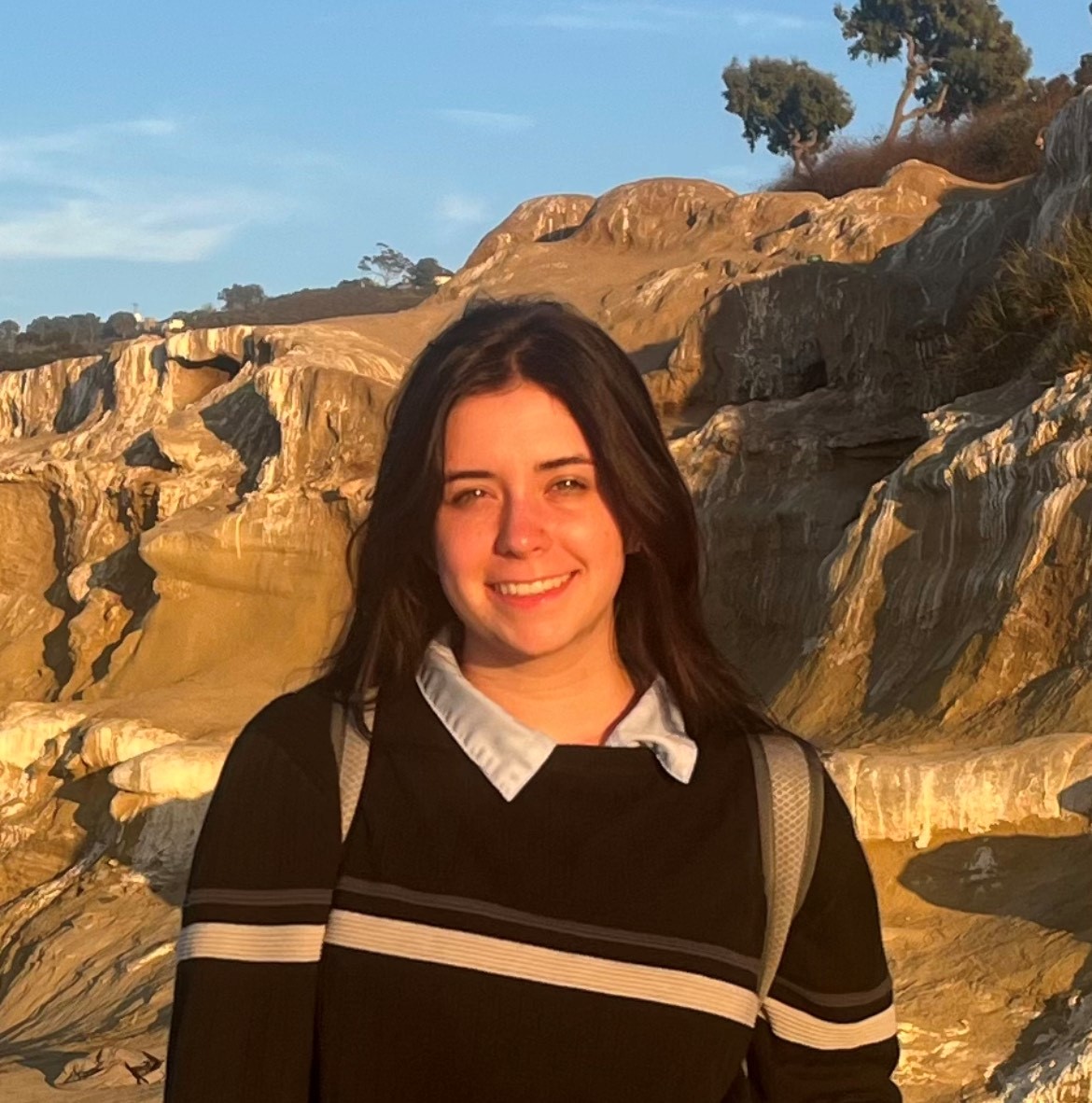
Within the Batey lab at the University of Colorado, Boulder, Ava researched the modulation of genetic expression by the riboswitch, a regulatory structure that is found on the 5’ untranslated regions of bacterial mRNA. Utilizing a mutagenic cloning process, her research revealed preferences for base pairing in the expression platform of the B. subtilis pbuE Adenine-Responsive Riboswitch, and she...
Nick Berg, M.S.
Predoctoral IRTA Fellow, Doctoral Candidate: Brandeis University
Education:
M.S., Molecular and Cell Biology, 2022, Brandeis University, Waltham, MA
B.S., Biology and Chemistry, 2021, Emory University, Atlanta, GA
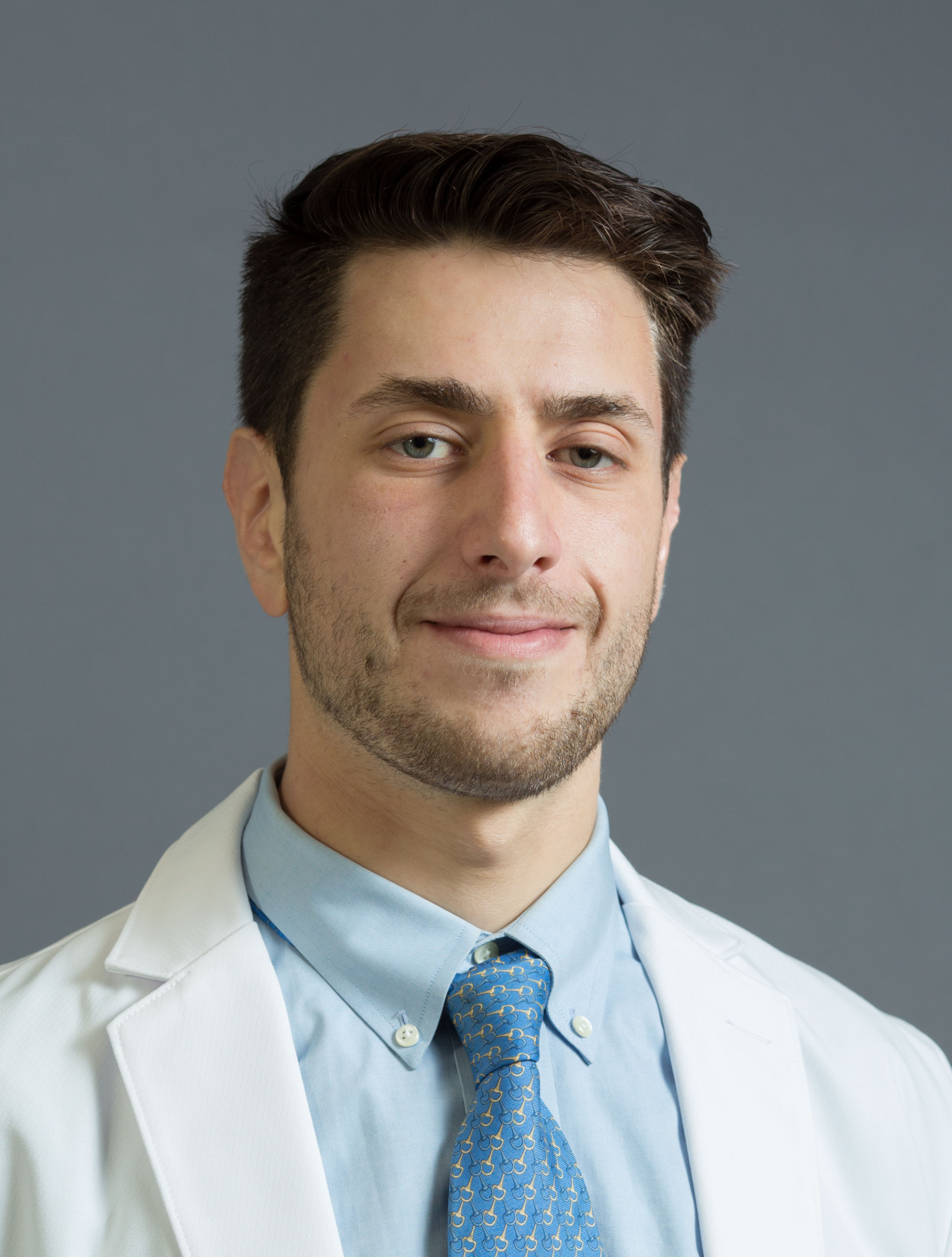
Nick's research spans topics in influenza virus pleomorphism. He uses RNA-seq to examine the coevolution of influenza's surface proteins on a shape-dependent basis, and builds systems for testing antiviral DNA origami to the end of designing a molecule that neutralizes viruses of all architectures. His work combines sequencing, flow virometry, and TIRFm to unravel the shape advantage of flu.
Callie J. Donahue, Ph.D.
Postdoctoral Fellow
Education:
Ph.D., 2024, Boston University Chobanian and Avedisian School of Medicine, Boston, MA
B.S., 2018, Rochester Institute of Technology, Rochester, NY
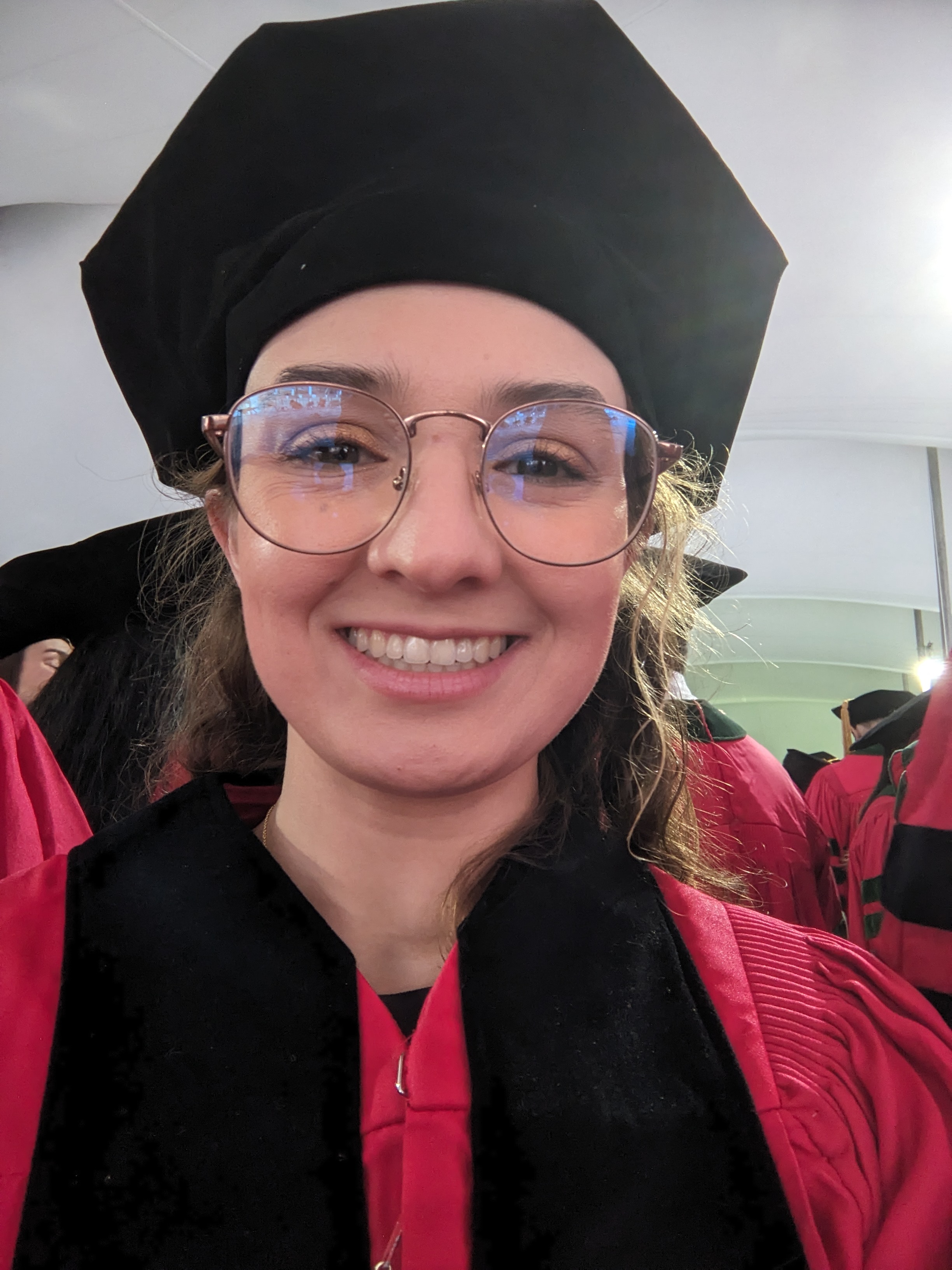
Callie has a strong interest in host-pathogen interactions and virus entry. During her Ph.D., she used predictive network modeling to identify host pathways and protein complexes co-opted by the Ebola virus during its infection cycle. In the Ivanovic lab, she is investigating the host interactions and biophysics of pleiomorphic virus entry, focusing on virus-driven macropinocytosis.
Anna Jaeggi-Wong, B.S.
Postbaccalaureate IRTA Fellow
Education:
B.S., Biochemistry and Biology, Brandeis University, Waltham, MA
Languages Spoken: German

Anna’s undergraduate research in the Ivanovic lab at Brandeis University focused on investigating determinants of influenza A virion (IAV) morphology using flow virometry. She received highest honors in biochemistry, the William P. Jencks Award in Biochemistry, and the Division of Science Prize for Outstanding Research Accomplishment by a Senior for her senior thesis. She now aims to further...
Tongyu (Tony) Liu, Ph.D.
Postdoctoral Fellow
Education:
Ph.D., 2024, University of Illinois Urbana-Champaign, Champaign, IL
B.S., 2019, China Agricultural University, Beijing, China
Languages Spoken: Mandarin Chinese
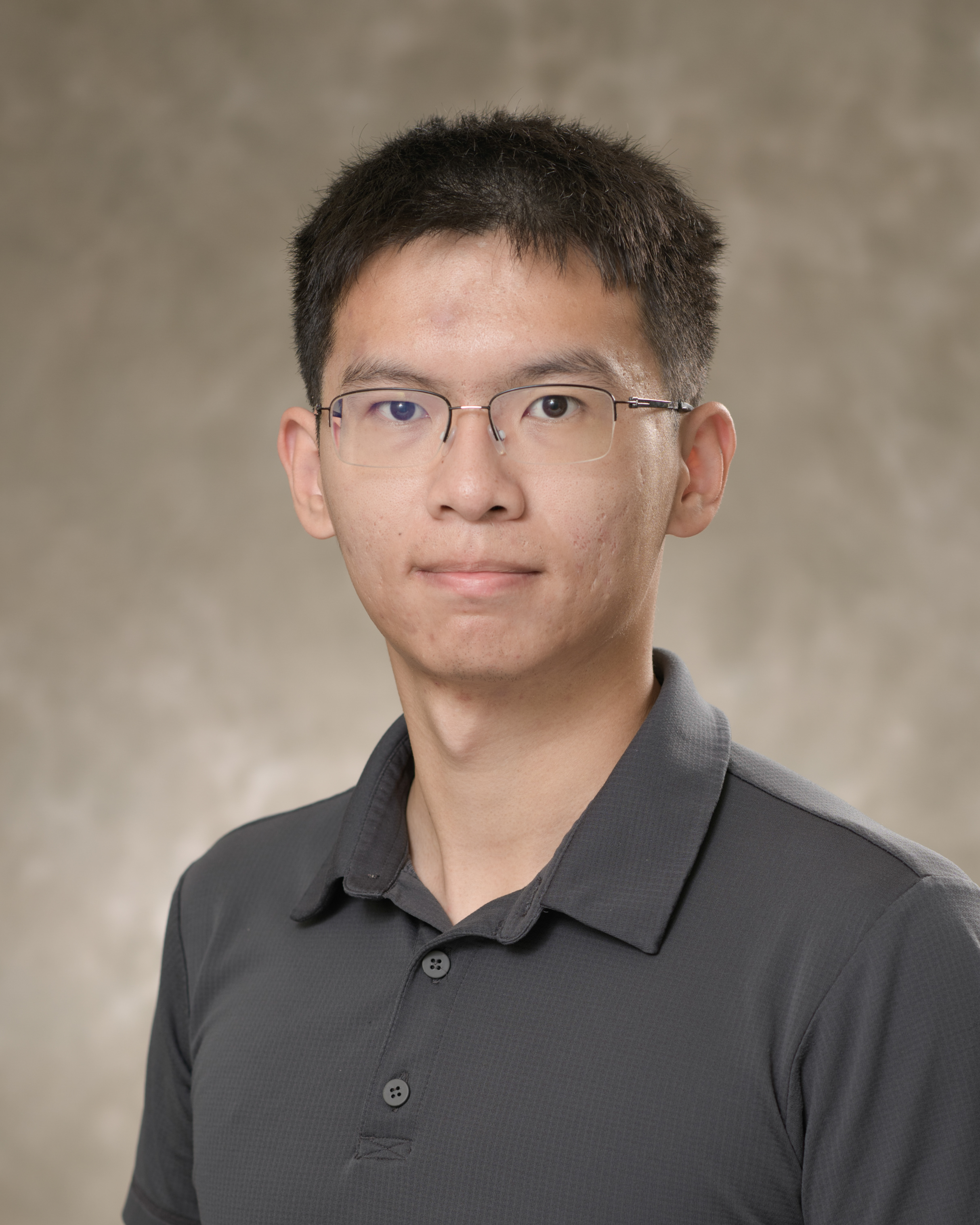
Tony is interested in the virus entry, morphology, and ploidy of the influenza virus. During his Ph.D., he used deep mutational scanning and experimental evolution to examine the epistatic interaction between the two glycoproteins HA and NA on the influenza A virus. In the Ivanovic lab, he is interested in investigating the genome packaging in spherical and filamentous virus particles and the...
Balindile Bhekiwe Pearl Motsa, Ph.D.
Postdoctoral Fellow
Education:
Ph.D., 2024, Purdue University
B.S., 2019, Michigan State University
Languages Spoken: Siswati

Balindile was born and raised in the Kingdom of Eswatini. She is interested in how we can advance and leverage biophysical techniques to better our understanding of viral-host interactions. In the Ivanovic lab, her project will be focused on elucidating the mechanism for Ebola virus membrane fusion and uncoating during entry. She is also passionate about promoting early science education in...
Ed A. Partlow III, Ph.D.
Postdoctoral Fellow
Education:
Ph.D., 2022, Cornell University, Ithaca, NY

Ed researches the assembly pathways of enveloped and non-enveloped viruses, using influenza A and mammalian orthoreovirus as model systems. Ed employs TIRF microscopy, flow cytometry, and biochemistry to understand the mechanisms of virion assembly.
Steven D. Planitzer, B.S.
Predoctoral IRTA Fellow (Doctoral Candidate: Brandeis University)
Education:
B.S., Physics, 2019, Kent State University, Kent, OH
Languages Spoken: Spanish

I create supported planar bilayers to model the endosomal membrane fusion step of the influenza A virus cell entry cycle. By leveraging the high sensitivity of total internal reflection fluorescence microscopy (TIRFm), I observe membrane fusion at single-virion resolution. By implementing a novel DNA oligo-mediated receptor attachment scheme, I aim to evaluate the effect of surface receptor...
Antonio Santos del Peral, Ph.D.
Postdoctoral Fellow
Education:
Ph.D., 2024, Ludwig Maximilian University, Munich, Germany
M.S., Immunology, 2019, Imperial College, London, United Kingdom
B.S., Biochemistry, 2018, Autonomous University of Madrid, Spain
Languages Spoken: Spanish
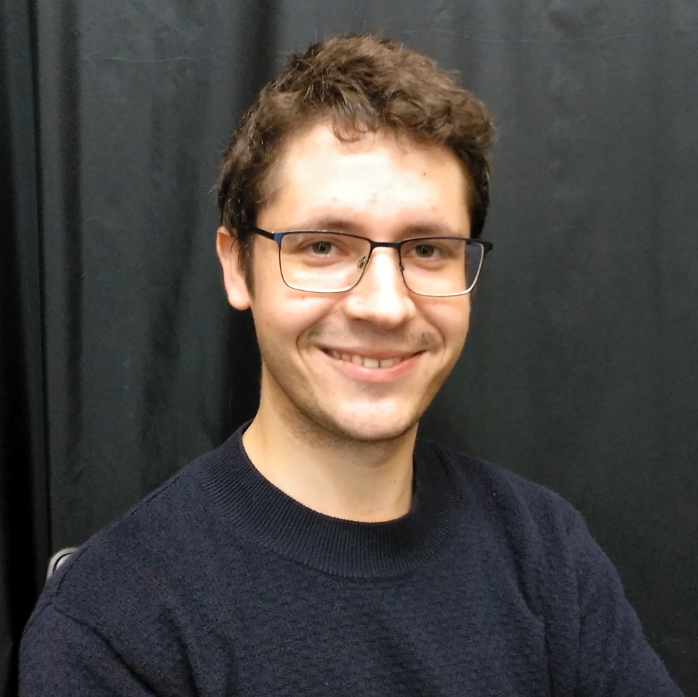
Antonio is interested in the interplay between viruses and the immune system. During his Ph.D., he investigated the immunological and virological factors influencing the human adaptive immune response to the yellow fever virus vaccine. In the Ivanovic lab, Antonio researches the influenza virus assembly in response to external mechanical and immunological pressures.